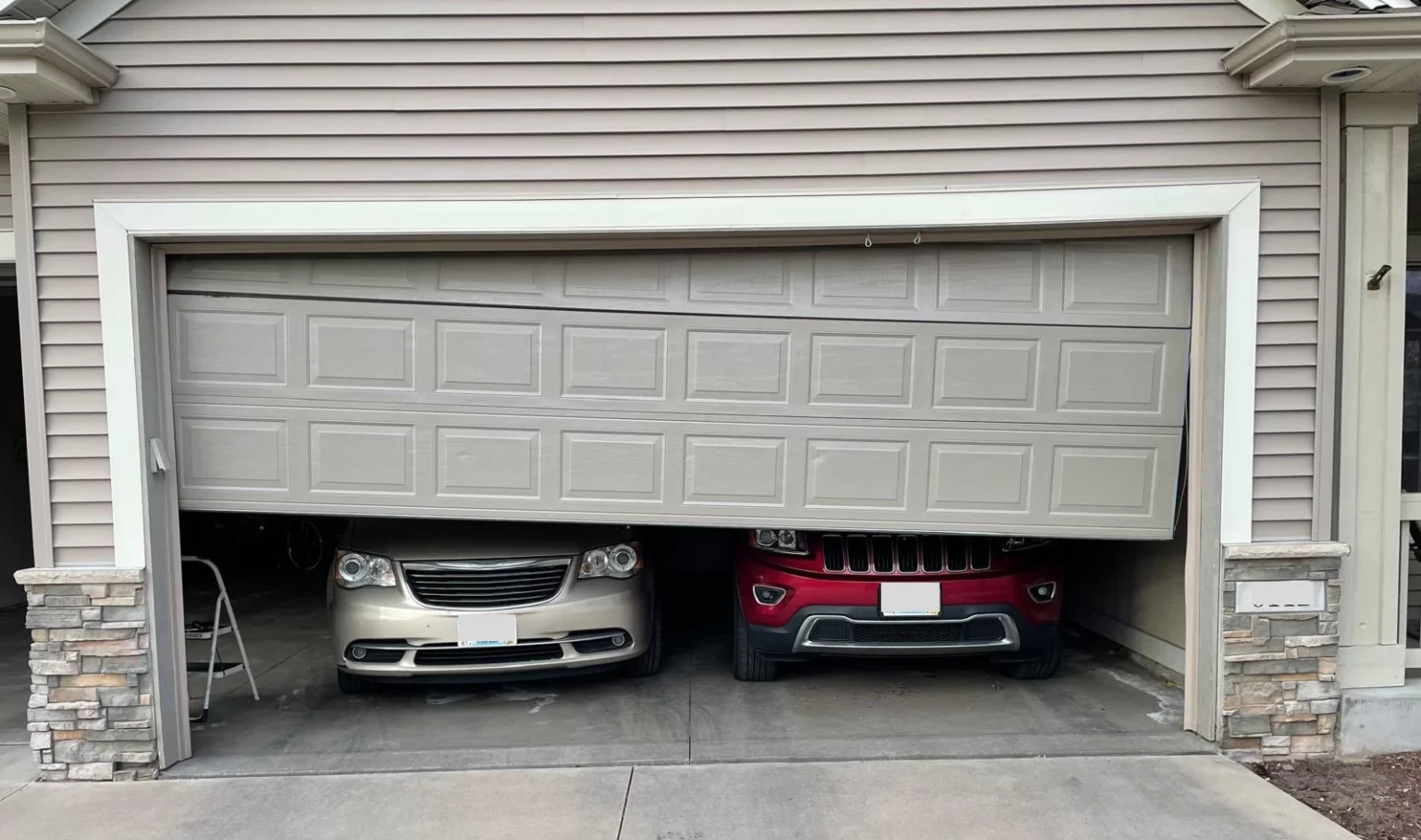
Few things are more frustrating than pressing your garage door button and watching your door refuse to close. Whether it stops halfway down, reverses back up, or won’t budge at all, a garage door that won’t close is more than just annoying – it’s a security risk that leaves your home and belongings exposed.
The good news is that most garage door closing problems have identifiable causes. Here’s what’s likely happening and what you can do about it.
Something’s Blocking the Safety Sensors
This is the most common culprit and the easiest to fix. Modern garage doors have photo-eye sensors on each side of the door near the floor. If anything breaks the invisible beam between them, your door won’t close – it’s a safety feature designed to prevent the door from crushing objects, pets, or people.
Check for:
- Boxes, tools, or debris in front of the sensors
- Cobwebs or dirt covering the sensor lenses
- Sensors that have been knocked out of alignment
Clean the sensor lenses with a soft cloth and make sure they’re facing each other directly. Most sensors have small LED lights – if they’re not both lit up, they’re likely misaligned.
The Close-Limit Settings Need Adjustment
Your garage door opener has limit settings that tell it how far to move the door. If the close-limit is set incorrectly, the opener might think the door has hit the ground when it actually hasn’t, causing it to stop mid-way or reverse.
This often happens after someone adjusts the opener settings or replaces parts. You’ll notice the door stops consistently at the same spot before reaching the floor. Check your opener’s manual for instructions on adjusting the limit settings – it usually involves turning a dial or screw on the opener unit.
Broken or Damaged Springs
If your door closes a few inches and then stops or struggles to move, you might have a spring problem. As we covered in our recent blog post about broken garage door springs, springs provide the counterbalance that makes your door light enough to move easily.
A broken spring won’t just prevent your door from opening – it can also keep it from closing properly. The opener motor isn’t strong enough to move the full weight of the door without working springs. If you hear grinding sounds or the motor runs but the door barely moves, springs are likely the issue.
Track Obstructions or Damage
Take a look at the metal tracks on either side of your door. Dents, bends, or debris in the tracks can prevent the door from moving smoothly. Even a small obstruction can cause the door to get stuck.
You can clear out loose debris yourself, but bent or damaged tracks need professional attention. Never try to force a door past an obstruction – you’ll only make the damage worse.
Frayed or Broken Cables
Garage door cables work with your springs to lift and lower the door safely. When cables fray, break, or come loose, your door can get stuck partway down or hang crooked.
Damaged cables are a serious safety hazard. If you see frayed cables or your door is tilting to one side, stop using it immediately and call for repairs.
Weather-Related Issues in the Twin Cities
Minnesota’s extreme weather can create unique garage door problems. In winter, ice can build up along the bottom seal, essentially freezing your door to the ground. The opener might try to close the door but can’t overcome the ice.
In humid summer weather, wooden doors can swell and stick in the frame. Temperature swings can also affect your opener’s sensors and mechanical parts, making them less responsive.
When to Call a Professional
Some fixes, like cleaning sensors or clearing debris, are safe DIY tasks. But if you suspect broken springs, damaged cables, or track problems, don’t attempt repairs yourself. Garage doors operate under extreme tension and professional repairs are always safer.
If your garage door won’t close and you can’t identify an obvious cause, we’re here to help. Contact us for a thorough inspection and same-day and emergency garage door repairs throughout the Twin Cities metro area. Just give us a call (651) 387-5401 and we will come help you.